


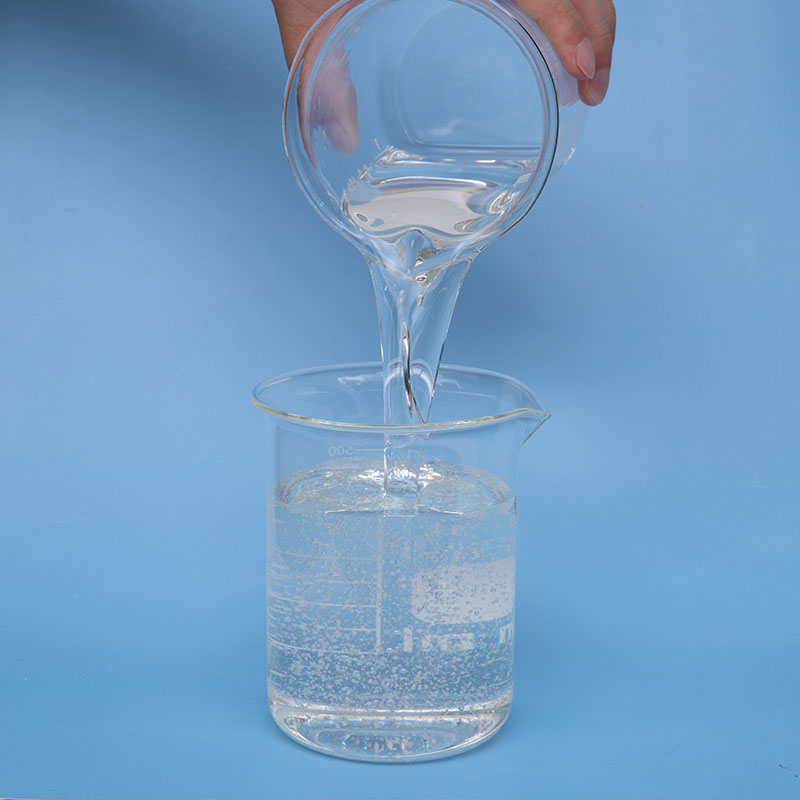
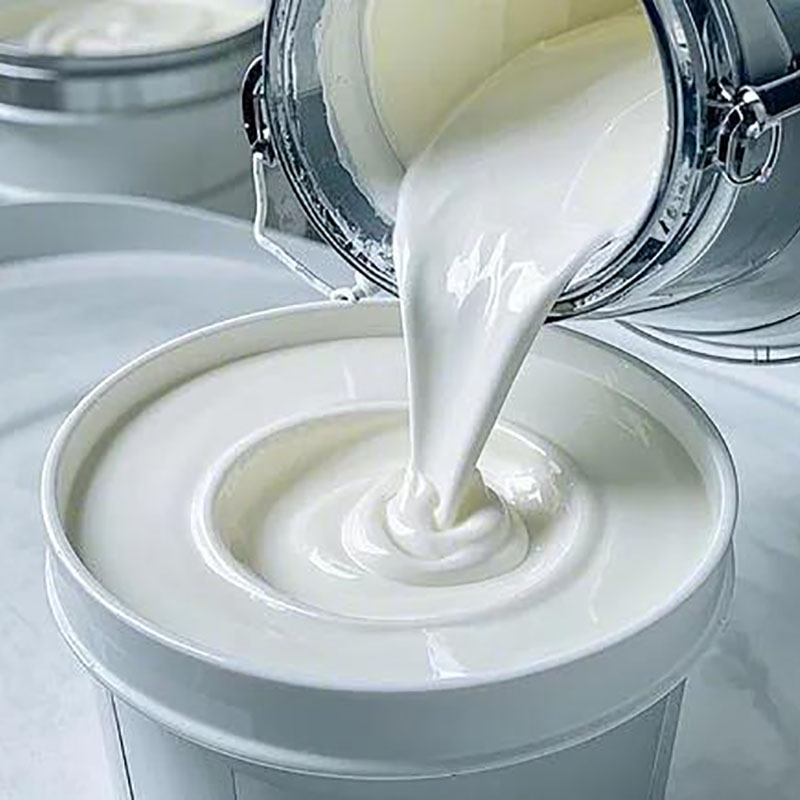
Coalescing Agent (also called coalescing agent) is mainly used in water-based lotion systems (latex paint, water-based wood paint, water-based ink, water-based adhesive), which is a temporary plasticizer; Essentially a high boiling point organic solvent, its core functi on is to help latex particles fuse and form a continuous and complete paint film.
1、 Working principle
The resin in water-based coatings is suspended in water as tiny latex particles. After water volatilization, if the ambient temperature is lower than the minimum film forming temperature MFFT of lotion, the particles are hard and cannot be deformed and fused, and only a powdery, loose and discontinuous coating will be formed. The three steps of film-forming additives work:
Penetrating and swelling latex particles, temporarily reducing the effective Tg of the polymer and softening the particles;
Moisture continues to evaporate, and softened particles deform, interpenetrate, and fuse into a continuous film under capillary pressure;
After the film formation is completed, the additives slowly and gradually evaporate, and the paint film restores the original hardness, water resistance, and stain resistance of the resin.
Key: Temporary plasticization, later volatilization; Will not permanently remain inside the membrane (ideal state).
2、 Core functions
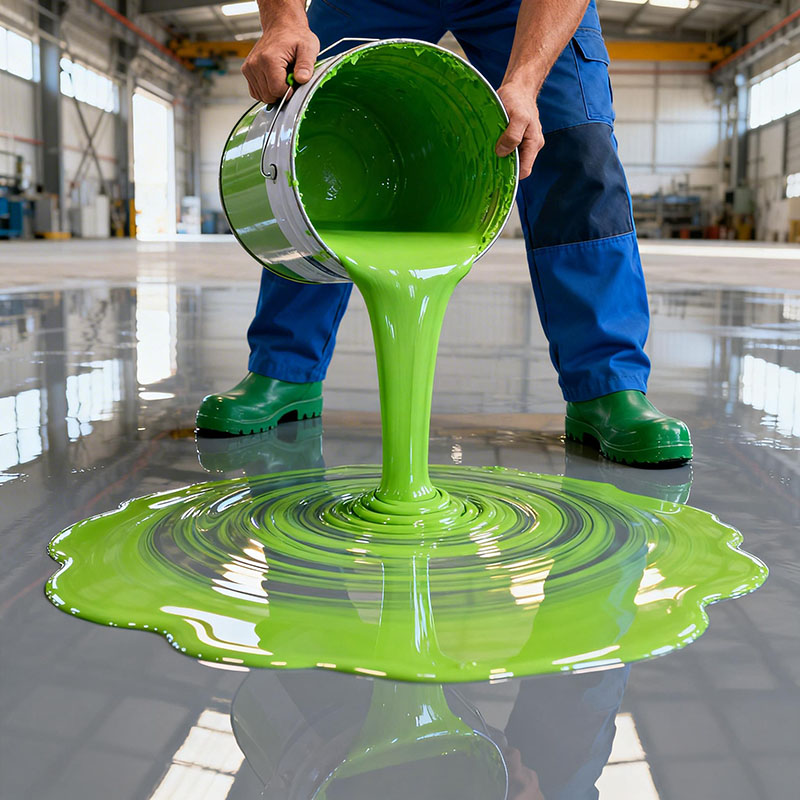
Reduce the MFFT of lotion, realize low-temperature construction, and avoid cracking, pulverization and light loss in winter construction;
Improve the density, gloss, adhesion, scrub resistance, and color development of the paint film;
Improve construction opening time and leveling, reduce pinholes and shrinkage holes;
Assists smooth film formation of high Tg hard lotion (high Tg lotion finished film has high hardness and stain resistance, but it is difficult to form film itself, so film forming additives must be used).
3、 Comparison of mainstream categories and performance
1. Alcoholic esters (mainstream preferred in the market)
Twelve carbon alcohol ester (alcohol ester-12/Texanol) molecular formula: 2,2,4-trimethyl-1,3-pentanediol monoisobutyrate
Advantages: hydrolysis stability, low solubility in water, excellent compatibility with acrylic acid/styrene/acetic acid, high film-forming efficiency, good weather resistance of paint film;
Applicable: Latex paint for interior and exterior walls, water-based wood primer and paint;
Disadvantages: It has a slight odor, evaporates slowly, and is prone to short-term sticking when excessive.
Alcohol ester-16 (OE300) has low odor and low VOC specifications, with smoother volatilization. It is commonly used for high-end odorless interior wall paint and environmentally friendly water-based wood paint.
2. Alcoholic ethers
Propylene glycol phenyl ether PPH: excellent effect on styrene acrylic lotion, strong odor;
Ethylene glycol butyl ether EB (anti white water): high water solubility, fast evaporation, low film formation efficiency, large dosage, gradually restricted now;
Dipropylene glycol butyl ether DPnB: slow drying, extended opening time, often used in combination to improve leveling.
3. Alcohols
Benzyl alcohol (BA) has strong solubility and low price; Disadvantages: heavy odor, poor hydrolysis resistance, easy to cause long-term residue of paint film, decreased water resistance, mostly used in low-end systems and some water-based epoxy matching.
4. New low VOC environmentally friendly film-forming additives
TXIB、 Does not contain VOC exempt additives, compatible with EU and national low VOC coating standards, used for odorless coatings and children’s paints.
4、 Ideal film-forming aid standard
Strong ability to dissolve/swell lotion particles and reduce MFFT efficiently;
Low solubility in water makes it easier to accumulate on latex particles;
Moderate volatilization rate: slower than water, neither too fast nor extremely slow; Volatile too quickly: unable to complete particle fusion → paint film micropores, powdering Slow volatilization: Long term residue in the paint film → softening, sticking, poor water resistance
Wide pH range, no hydrolysis during storage, no demulsification of lotion;
Low odor, low VOC, in compliance with environmental regulations.
5、 Reference for regular addition amount (industry experience)
Based on the solid content of lotion:
Interior wall latex paint: 5% to 10%
Exterior latex paint: 6% to 12%
Water based wood paint: 8% to 15%
Practical method: Gradient addition test MFFT, find the lowest addition amount that can continuously form a film, and avoid blindly adding too much.
6、 Common formula issues
Low temperature construction causes whitening and powdering of the paint film: insufficient or improper selection of film-forming agents;
Long term softening and easy sticking of paint film: excessive use of additives or selection of slow evaporating varieties;
Coating storage layering and flocculation: the addition rate of film forming additives is too fast, and the compatibility with lotion is poor;
Odorous: Choose benzyl alcohol and ethylene glycol ether, replace with alcohol ester 12/alcohol ester 16 low odor system;
Poor water resistance: excessive residue of additives, priority should be given to alcohol esters with low solubility and easy volatility in water.
7、 Application Fields
Architectural coatings: interior/exterior latex paint, elastic paint, real stone paint surface coating;
Industrial water-based coatings: water-based wood paint, water-based plastic paint, water-based metal protective paint;
Other: water-based ink, leather coating, water-based pressure-sensitive adhesive, waterproof coating.
Post time: Jul-22-2026