


Common problems, causes, and solutions for the application of precipitated barium sulfate
Combining mainstream application scenarios of coatings, inks, plastics, colorants, and rubber, distinguish common faults between ordinary precipitated barium and activated modified precipitated barium, and facilitate formula debugging and production rectification.
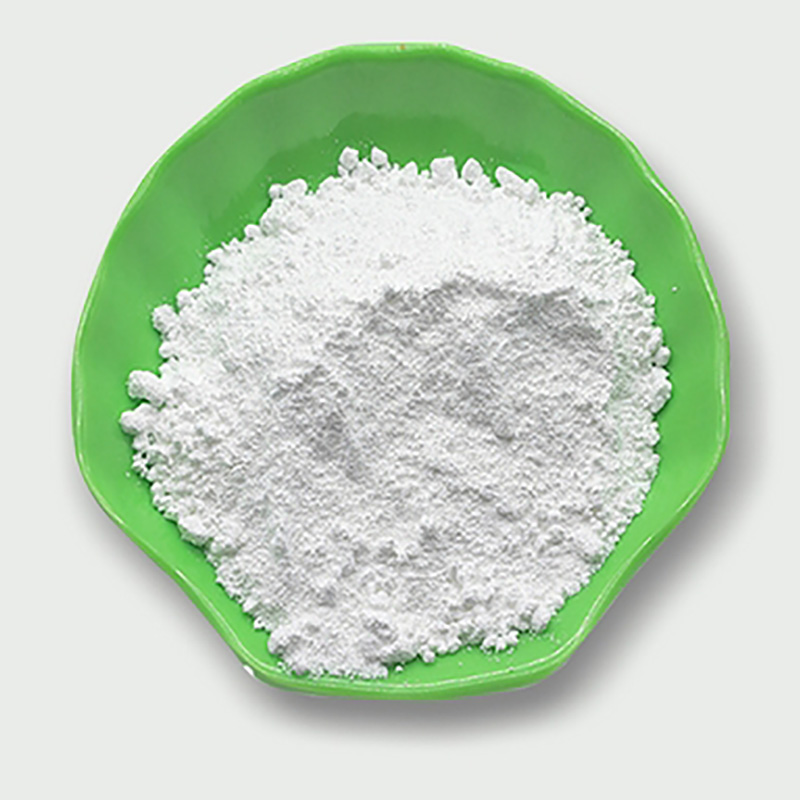
1、 Poor dispersion, powder agglomeration, particle lumps, and inability to reduce fineness
phenomenon
The fineness after grinding does not meet the requirements, the system has small white spots, needle particles in the paint film, rough spots on the extruded plastic surface, and the color paste is prone to clumping.
Reason
1. The original powder of precipitated barium sulfate has severe agglomeration;
2. Using unactivated ordinary precipitated barium has poor compatibility with resins/solvents;
3. Insufficient selection and low addition amount of dispersants;
4. The feeding sequence is incorrect, and a large amount of powder is injected at once;
5. The particle size of the grinding medium is too large and the sanding time is insufficient.
Solution
1. Prioritize the use of silane/stearic acid activated modified precipitated barium sulfate;
2. Adjust the feeding: first stir the solvent and dispersant evenly, and then slowly add the filler;
3. Select high molecular weight dispersants (polyacrylic esters) for inorganic barium salts;
4. Increase the grinding speed appropriately, extend the grinding time, and replace small particle size zirconium beads;
5. Store moisture-proof, and dry the damp powder at low temperature (80-105 ℃) before use.
2、 Rapid settlement of the system, layered storage, and hard sedimentation at the bottom of the bucket
phenomenon
Paint, color paste, and ink are left to settle for a period of time, causing clumps at the bottom that are difficult to disperse by stirring.
Reason
The density of precipitated barium sulfate is as high as 4.3-4.5, much higher than that of calcium carbonate and talc powder, with a strong tendency towards gravity settling; The system has low viscosity and insufficient thixotropy.
Solution
1. Paired with thixotropic additives: bentonite, polyamide wax, fumed silica, polyurethane associative thickener;
2. Control the initial viscosity of the system to avoid high solid content and lack of anti settling system;
3. The settling of ultrafine grained barium is slower than that of coarse barium, and under the same conditions, smaller D50 models are preferred;
4. Reduce the solid content of single feeding appropriately; Regularly cycle and mix finished materials.
Key reminder: Hard precipitation=dispersion failure; Soft precipitation generally only lacks thixotropic additives.
3、 Low gloss and loss of luster of paint film/product
phenomenon
Compared to natural barite with the same formula, or after changing the barium grade, the luster does not improve.
Reason
1. The particle size of the precipitated barium is relatively large and the particle size distribution is wide;
2. The oil absorption of the powder is too high;
3. Insufficient dispersion, small bubbles and aggregates can damage the smoothness of the paint film;
4. The filling ratio of the filler is too high, and the resin is not sufficient to fully wet the surface of the particles.
Solution
1. Replace low oil absorption and ultrafine narrow distribution precipitated barium sulfate;
2. Optimize dispersion and reduce internal small bubbles;
3. Moderately control the upper limit of filling; Can be paired with a small amount of talcum powder and matting powder without excessive stacking;
4. Activated barium precipitation has better wetting properties and is more likely to produce high gloss.
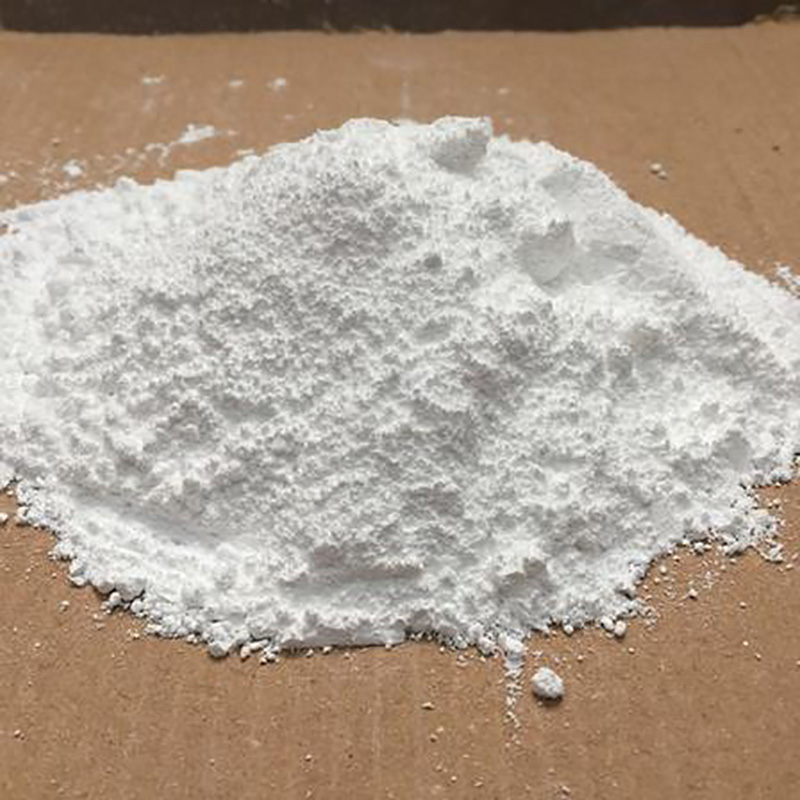
4、 Deterioration of weather resistance, early powdering and yellowing of paint film
phenomenon
Outdoor paint loses its luster, powdering, and turns yellow locally after a period of time.
Reason
1. The impurities in the raw materials for barium precipitation are relatively high (iron ions, free sulfides);
2. Low end barium residue soluble salts;
3. Paired with some easily oxidizable resins, impurities catalyze aging.
Solution
1. Require manufacturers to control the content of free sulfur and iron, and select high-purity precipitated barium;
2. Avoid using industrial grade precipitated barium produced from low-priced recycled materials for outdoor topcoats;
3. Formula combination with UV absorbers and antioxidants;
4. Check the water-soluble substances and conductivity of the filler. If the conductivity is too high, it indicates that the soluble salts exceed the standard.
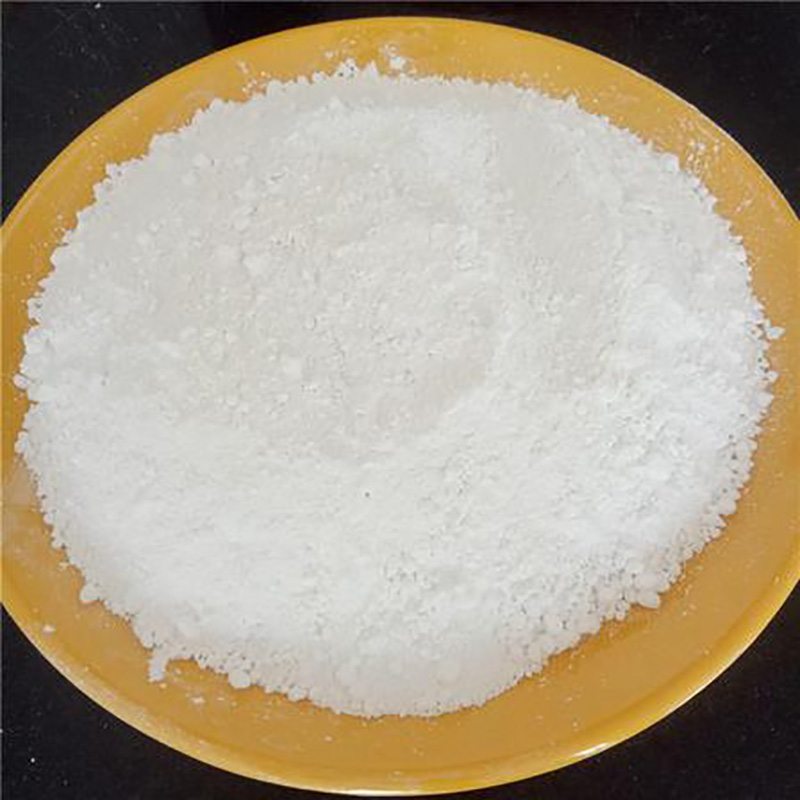
5、 Appearance of pinholes, bubbles, and shrinkage cavities
phenomenon
After spraying/baking, there are pinholes, volcanic craters, and shrinkage holes in the paint film; Plastic extrusion produces bubbles.
Reason
1. Barium sulfate precipitates and adsorbs air, leading to incomplete wetting and the introduction of bubbles;
2. The moisture content of the powder is too high;
3. Mismatch of surface additives and imbalance of interfacial tension lead to shrinkage.
Solution
1. Pre dry and remove moisture from damp powder;
2. During the high-speed dispersion stage, immerse at low speed, gradually increase speed, and fully remove bubbles;
3. Add a small amount of organic silicon leveling agent and defoamer;
4. Do not throw a large amount of barium at once, as it may cause air entrapment.
6、 High oil absorption, sudden increase in system viscosity, and thickening during construction
phenomenon
After adding precipitated barium, the viscosity of the slurry sharply increased and construction was not possible.
Reason
1. Ultra fine unmodified barium has a large specific surface area and high oil absorption;
2. The surface polarity of the powder is too strong, and a large amount of resin and dispersant are adsorbed.
Solution
1. Select low oil absorption activated modified precipitated barium sulfate;
2. Moderately increase the dosage of dispersant;
3. Mix with some low oil absorption fillers (refined barite);
4. Adjust the solvent ratio appropriately and control the viscosity window of the system.
7、 Plastic extrusion: unstable discharge, mold head fouling, surface peeling of products
phenomenon
The production of modified plastics and colorants results in the continuous precipitation of white carbon deposits/white powder on the mold head, leading to uneven gloss of the products.
Reason
1. Use stearic acid to activate barium precipitation, and the activated layer decomposes and precipitates at high temperatures;
2. Excessive free acid/salt in barium precipitation;
3. Poor dispersion of fillers and high local concentration.
Solution
1. High temperature processing system (>220 ℃) uses silane activated barium precipitation to avoid modification with ordinary stearic acid;
2. Control the processing temperature to reduce the thermal decomposition of activators;
3. Improve the shear dispersion effect of twin-screw; Regularly clean the mold head.
8、 Wear and tear of equipment, sand mill cylinder, and screw intensifies
phenomenon
The sand grinding beads wear out quickly, the extrusion screw wears out, and the ink erodes the printing plate.
Attention: High quality precipitated barium theoretically has fewer edges and much lower wear than barite;
cause
The product is mixed with hard impurities (quartz sand, ore particles); Some manufacturers bring sand and gravel into the coarse crushing process.
Solution
1. Request the supplier to screen and remove impurities; Inspect for coarse and hard particles upon entering the factory;
2. High end inks and thin topcoats should use high-purity ultra-fine barium deposits as much as possible.
9、 Affects coverage and does not achieve the expected effect when combined with titanium dioxide powder
phenomenon
The original plan was to replace some of the titanium dioxide with precipitated barium, but it resulted in a decrease in coverage.
Reason
Barium sulfate has a large difference in refractive index compared to titanium dioxide, and can only be used as an incremental synergistic filler, rather than simply replacing titanium dioxide in equal quantities; The particle size matching is unreasonable.
Solution
1. Using ultrafine barium precipitation to optimize the dispersion of titanium dioxide;
2. Adopt gradient substitution (gradually test substitution ratio, generally recommend replacing 10% to 30% interval debugging);
3. Use a small amount of alumina and zinc oxide to enhance the scattering effect of the system.
10、 Rubber products: surface bubbles, lack of reinforcement effect
phenomenon
After rubber vulcanization, there are many pores and the surface is not shiny, and the improvement of tensile strength is limited.
Reason
Ordinary barium precipitation has an inert surface and poor compatibility with rubber; High water content; Small molecules evaporate during the sulfurization process.
Solution
1. Use rubber specific activated precipitation barium sulfate;
2. The filler is fully dried; Paired with coupling agents;
3. Reasonably mix with carbon black and calcium carbonate.
General selection summary (for easy external communication)
1. Solvent based high gloss coatings and inks → ultrafine narrow distribution activated precipitation of barium sulfate;
2. Outdoor anti-corrosion and weather resistant topcoat → high-purity, low iron, low free sulfur precipitation barium;
3. High temperature extrusion of plastic/masterbatch → Silane activated type;
4. Low cost primer and thick slurry coating → can be compounded with ordinary precipitated barium and refined barite;
5. Water based system – Prioritize low water soluble substances, neutral pH precipitation of barium, and strictly control conductivity.
Post time: Jul-24-2026