


Environmental upgrade: water-based and photopolymerization become mainstream
Waterborne acrylic coatings: Green pioneers, rising comprehensively
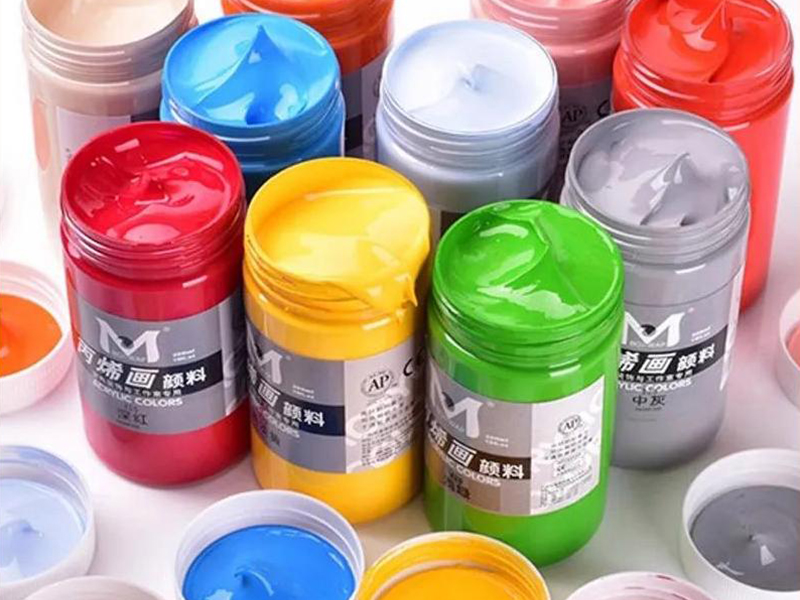
With increasingly strict global environmental regulations, such as China’s strict control of volatile organic compound (VOC) emissions and the vigorous promotion of the “dual carbon” target, traditional solvent based acrylic coatings are gradually losing their advantages, and water-based acrylic coatings have become a “hot commodity” for industry development. Water based acrylic coatings use water as a dispersing medium, with almost zero VOC content, and demonstrate excellent environmental performance. In the field of building exterior walls, water-based acrylic exterior wall paint has dominated and its market share continues to rise. According to relevant data, the current market share of water-based acrylic exterior wall paint in the building exterior wall coating market has exceeded 60%. Moreover, in the industrial field, water-based acrylic industrial paint is constantly breaking through technological bottlenecks, and its application in metal anti-corrosion, automotive parts coating and other scenarios is becoming increasingly widespread. In terms of automotive component coating, water-based acrylic coatings effectively enhance the protective effect and service life of components due to their good adhesion and corrosion resistance. It can be foreseen that in the future, water-based acrylic coatings are highly likely to become the mainstream choice for industrial coatings.
UV/EB cured acrylic coatings: efficient and energy-saving, with broad prospects
Light cured acrylic coatings have quickly become popular in many industries due to their outstanding advantages such as fast curing speed, high production efficiency, and zero VOC emissions. In the 3C electronics industry, UV cured acrylic coatings are commonly used for coating mobile phone casings and tablet screens, achieving ultra-thin and high hardness coating effects. This not only enhances the aesthetic appeal of products, but also strengthens their wear resistance and scratch resistance. Data shows that the market share of UV cured acrylic coatings in 3C product coating applications has increased by 30% in the past few years. In the furniture manufacturing industry, UV curable acrylic coatings can cure quickly, greatly shortening the production cycle of furniture and improving production efficiency. Its environmental characteristics also meet the current consumers’ pursuit of green homes. It is expected that in the future, with further technological maturity and cost reduction, the application of UV curable acrylic coatings will be further expanded in more fields.
High performance modification: expanding application boundaries
Organic silicon modified acrylic resin: heat-resistant and weather resistant, excellent performance
Organic silicon has excellent heat resistance, weather resistance, and hydrophobicity. Introducing it into acrylic resin systems can significantly improve the overall performance of coatings. In high temperature environments, such as industrial chimneys and boiler exterior coatings, organic silicon modified acrylic coatings can withstand temperatures ranging from 200 ℃ to 300 ℃, effectively preventing coating peeling and discoloration, and extending equipment service life. In a boiler outer wall coating project at a certain steel plant, after using organic silicon modified acrylic coating, the coating remained intact for 3 years in high temperature, high humidity, and corrosive gas environments, with excellent protective performance. In the protection of outdoor buildings, bridges, and other facilities that are exposed to natural environments for a long time, the super weather resistance advantage of organic silicon modified acrylic coatings is fully demonstrated, which can effectively resist UV, acid rain, and other erosion, reducing maintenance frequency and costs. For some bridges in coastal areas, the maintenance period has been extended from the original 2-3 years to 5-6 years after using this coating.
Fluorocarbon modified acrylic resin: the preferred choice for marine protection and high-end decoration
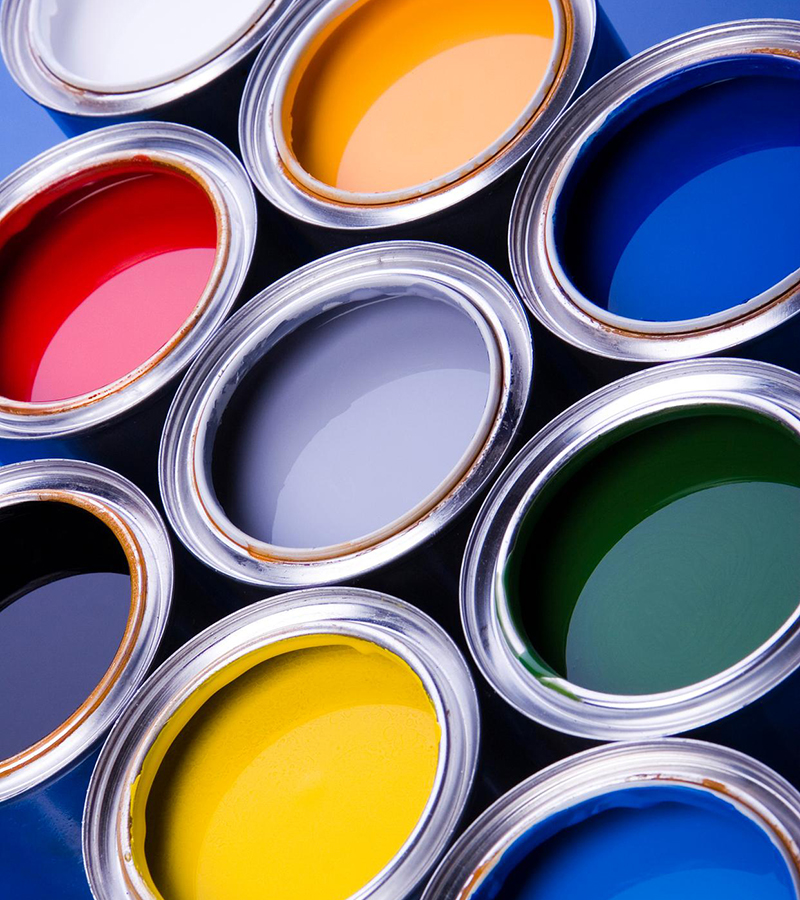
Fluorocarbon modification endows acrylic coatings with excellent weather resistance, self-cleaning, and chemical stability. In the marine environment, the high salinity and strong corrosiveness of seawater pose serious challenges to ships, offshore wind power facilities, etc. Fluorocarbon modified acrylic coatings have become an ideal choice for marine protection due to their extremely low surface energy and excellent corrosion resistance. A certain brand of fluorocarbon modified acrylic ship paint can effectively prevent marine organisms from adhering, reduce ship navigation resistance, and has super strong salt spray resistance. The salt spray test time can reach more than 5000 hours, providing reliable long-term protection for ships. In terms of high-end building curtain wall decoration, the self-cleaning function of fluorocarbon modified acrylic coating can make the surface of the curtain wall less prone to dust and stains, maintain a long-lasting bright appearance, and enhance the overall image of the building. Many landmark buildings in cities have used this type of coating for their curtain walls.
Nanocomposite technology: injecting new vitality into performance improvement
The integration of nanotechnology has opened up a new path for improving the performance of acrylic coatings. By adding nanoscale materials such as titanium dioxide and silicon dioxide to acrylic coatings, the antibacterial, anti-static, wear-resistant, and scratch resistant properties of the coatings can be significantly enhanced. In places with extremely high hygiene requirements such as hospitals and food processing plants, nano antibacterial acrylic coatings can effectively inhibit bacterial growth and ensure environmental safety. In the coating of electronic device casings, nano anti-static acrylic coatings can prevent the accumulation of static electricity from causing damage to electronic components. For example, the use of this coating on some computer host casings reduces the problem of electronic component failures caused by static electricity. According to market research institutions’ predictions, the market size of nanocomposite acrylic coatings in medical, electronic and other fields will grow at a rate of 20% per year in the coming years.
Intelligence and Digitalization: Empowering Industry Development
Digital formula design and quality control: precise and efficient, quality assurance
With the help of advanced computer simulation technology and big data analysis, coating companies can quickly and accurately design acrylic coating formulas, and tailor the best formula based on customers’ needs for color, performance, environmental protection, and other aspects. During the production process, a real-time data collection and monitoring system is used to strictly control the quality of raw materials and production process parameters, ensuring the stability and consistency of the quality of each batch of products. By utilizing spectral analysis technology and automated color matching equipment, precise color matching of coatings can be achieved with minimal error control, meeting the stringent requirements of high-end customers for color consistency. Data shows that the use of digital formula design can shorten the development cycle of coatings by 30% – 50%.
Intelligent painting equipment and construction management: improving efficiency and optimizing processes
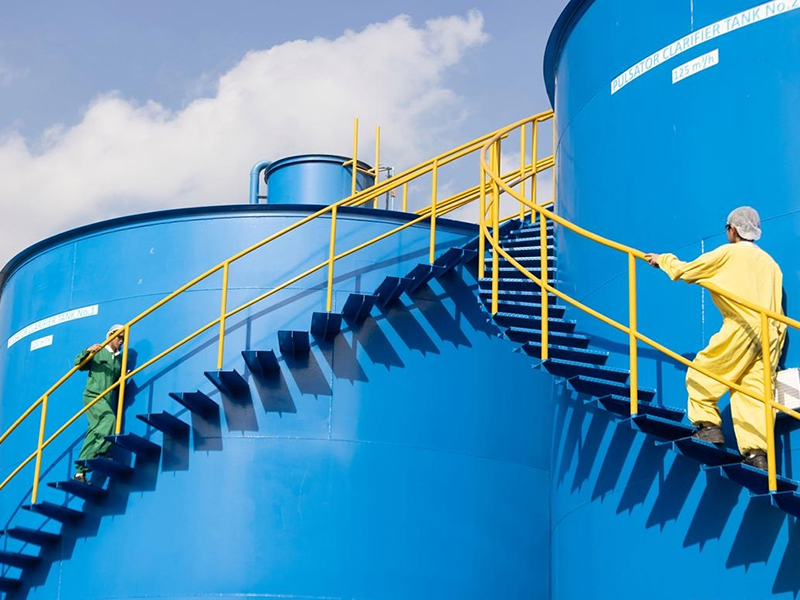
The application of intelligent coating equipment has greatly improved the construction efficiency and quality of acrylic coatings. Automated spraying equipment is equipped with intelligent sensors and control systems, which can automatically adjust spraying parameters according to the shape, size, and coating requirements of the workpiece, achieving uniform and efficient coating operations. Through the Internet of Things technology, the painting equipment is connected to the construction management platform, allowing construction personnel to monitor the equipment’s operating status, paint usage, construction progress, and other information in real time. Problems can be discovered and solved in a timely manner, optimizing the construction process and reducing construction costs. In the painting projects of complex structures such as large bridges and ships, the intelligent construction management system can finely manage different construction areas and teams, ensuring that the entire painting project is completed on time and with high quality. Related cases show that the use of intelligent painting equipment can improve construction efficiency by 40% – 60%.
Coating performance monitoring and maintenance warning: real-time monitoring, prevention and control
A coating performance monitoring system has been developed using sensor technology and data analysis algorithms, which can monitor and evaluate the corrosion, wear, aging, and other conditions of acrylic coatings in real time. By implanting tiny sensors into the coating, collecting physical and chemical signals of the coating, and transmitting the data to a cloud platform for analysis and processing, once abnormal changes in coating performance are detected, the system will issue maintenance warnings in a timely manner, providing customers with scientific and reasonable maintenance recommendations to avoid safety hazards and economic losses caused by coating damage. In the monitoring of protective coatings for key infrastructure such as petrochemical pipelines and power towers, this system can predict the risk of coating failure in advance, providing strong support for equipment maintenance and ensuring the safe and stable operation of facilities. Data shows that through a coating performance monitoring system, potential coating problems can be detected 6-12 months in advance, effectively reducing maintenance costs by 30% – 40%.
Post time: Aug-03-2026