


Coatings, as the “coat” of modern industry, have long surpassed simple decorative functions. It not only endows products with colorful colors and textures, but also plays an irreplaceable role in protecting substrates, extending service life, and even achieving special functions such as fire prevention, corrosion prevention, and insulation.
With the increasingly strict environmental regulations and the deepening of the “dual carbon” strategy, the coatings industry is undergoing a profound transformation from traditional solvent based coatings to more environmentally friendly and safe water-based coatings, high solid content coatings, powder coatings, and UV curable coatings. In this transformation, the importance of coating additives as “industrial MSG” has become increasingly prominent, directly determining the performance, construction efficiency, and final effect of the coating system.
This article will systematically classify coatings and focus on the key roles of water-based coating additives (such as dispersants, defoamers, thickeners, wetting agents, etc.) in practical applications, combined with different application fields.
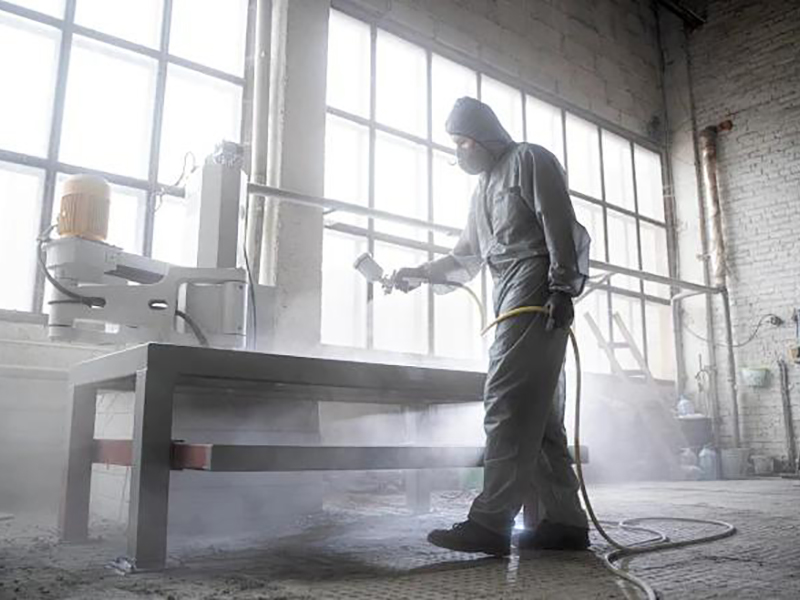
1、 Systematic classification of coatings
There are various ways to classify coatings, and understanding their classification is the foundation for selecting the right products and using additives effectively. Common classification criteria include:
·According to the film-forming material and mechanism, it can be divided into conversion type (such as air dried alkyd, baked amino) and non conversion type (such as nitro paint, chlorinated rubber paint).
·According to the volatile organic compound (VOC) content: This is the core classification in the current environmental context, which can be divided into water-based coatings (low VOC), solvent based coatings (traditional high VOC), UV curable coatings, and powder coatings (zero VOC).
·According to the construction sequence and function: divided into primer (providing adhesion and anti-corrosion), intermediate coat (increasing thickness and flatness), and topcoat (providing decoration and weather resistance).
·By application: covering architectural coatings, automotive coatings, wood coatings, marine coatings, heavy-duty anti-corrosion coatings, etc.
This article will focus on the most widely used fields and discuss how water-based coating additives can help upgrade their performance.
2、 Main application areas and selection of water-based additives
1. Architectural Coatings: Balancing Environmental Protection and Performance
Architectural coatings are the most water-based field, mainly used for interior and exterior walls, ceilings, and floors.
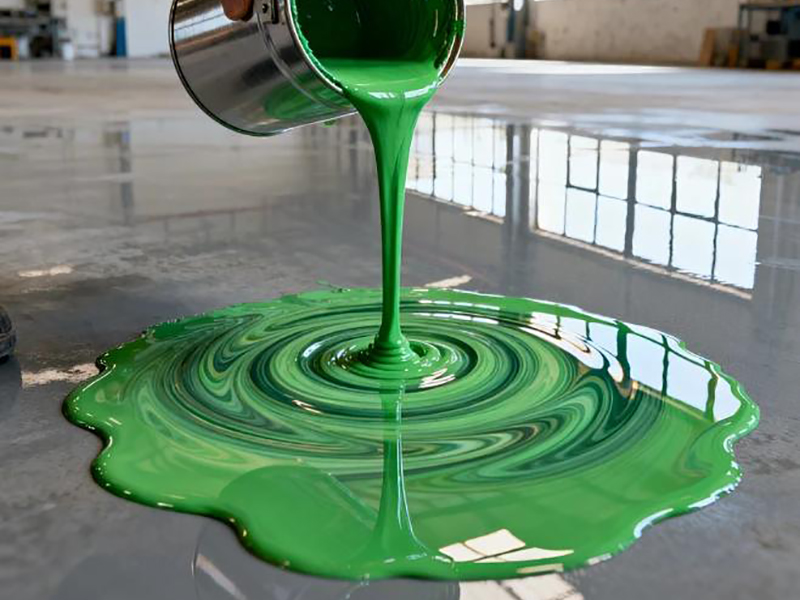
Interior wall and ceiling coatings: Synthetic resin latex paint is the mainstream, and its environmental friendliness (low VOC, no APEO) and workability are key factors. Water based coating additives play a decisive role here:
·Dispersant: such as water-based dispersant 5040, can effectively disperse pigments and fillers such as titanium dioxide and calcium carbonate, prevent flocculation, and ensure the whiteness and color development of the coating.
·Thickener: divided into associative thickener and non associative thickener, it can accurately control the rheological properties of coatings, achieve excellent anti splash, anti sagging and good storage stability.
·Wetting agent: Choosing environmentally friendly wetting agents (without APEO) can effectively reduce the surface tension of the system, improve the wetting and penetration of the substrate, and avoid problems such as shrinkage and fisheye. Effectively improve the floating color and flower phenomenon of latex paint, enhance the color development and stability of the coating
Exterior wall coatings require higher requirements for weather resistance, water resistance, and stain resistance. Multi functional dispersants and hydrophobic modified dispersants can ensure stable pigment dispersion and dense paint film in high decorative systems such as colorful coatings, real stone paints, and elastic paints, thereby improving weather resistance, water resistance, and self-cleaning ability.
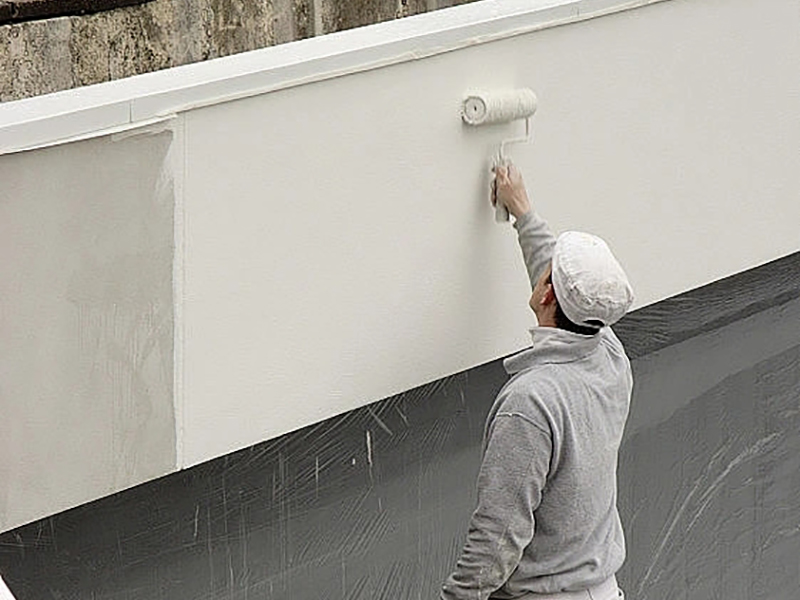
2. Automotive Coatings: Fine Protection from Bottom to Top
Automotive painting is the benchmark of industrial coatings, with strict requirements for additives for each layer from primer, intermediate coating to topcoat.
·Cathodic electrophoretic primer: now widely used, providing excellent anti-corrosion performance. Additives need to have good tank stability and swimming permeability.
·Mid coat paint: Water based intermediate coatings (such as polyester amino systems) require leveling agents and defoamers for water-based industrial paints to ensure a smooth and even paint film, provide a perfect bottom layer for topcoats, and enhance stone impact resistance.
·Topcoat: Whether it is natural paint or metallic paint, its vividness and glossiness are crucial. The precise combination of polyether modified silicone leveling agent and acrylic leveling agent can effectively improve orange peel and achieve a mirror effect. Water based wetting agents ensure the directional arrangement of metal aluminum powder and enhance its scintillation.
3. Wood Coatings: Dual Requirements of Environmental Protection and Aesthetics
Wood coatings are accelerating the process of “oil to water” conversion, with a clear trend towards water-based coatings for furniture, flooring, and musical instruments.
Waterborne wood paint: requires extremely high hardness, fullness, transparency, and tactile sensation of the paint film.
·Wetting and leveling agents: solve the problem of poor wetting caused by deep wood conduits, prevent bubbles, and ensure smooth paint film.
·Dispersant: For transparent colorants or colored wood coatings, water-based colorants can ensure that the pigment is evenly dispersed in the transparent base material, without producing flowers or precipitation, and maintain the natural texture of the wood grain.
·Multi functional additives: the main function is to adjust and control the pH value of lotion and coating. The pH value of coatings has a certain impact on their storage stability, corrosion resistance, anti-corrosion, viscosity, and coating performance.
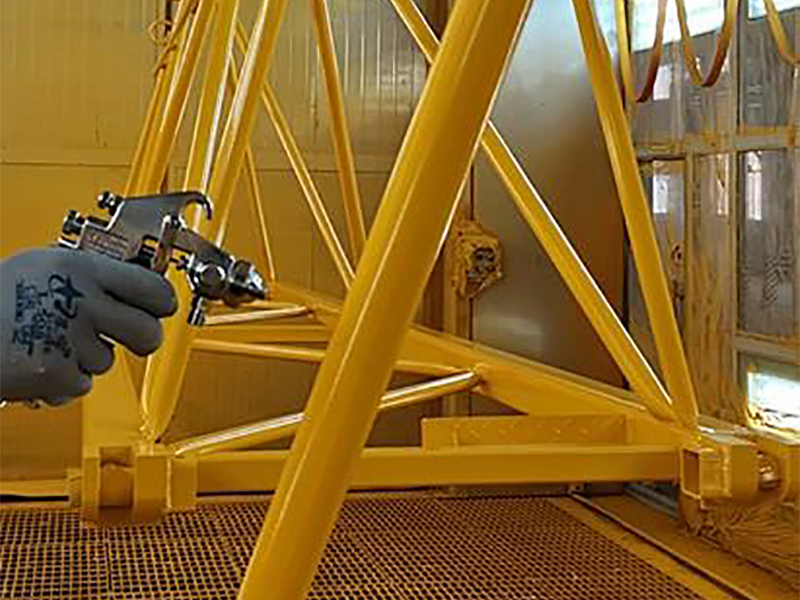
4. Industrial and Specialty Coatings: Challenges in Harsh Environments
In high-end fields such as ships, containers, heavy-duty anti-corrosion, and wind power, coatings need to cope with extreme environmental challenges.
·Heavy duty anti-corrosion coating: applied to bridges and marine engineering. Water based industrial paint additives need to have excellent salt spray resistance and chemical resistance. Anti flash rust agent is a key component in water-based anti-corrosion primer, which can prevent metal substrate from rusting back during the initial stage of water-based paint construction.
·Wind power equipment coatings: Faced with salt spray, ultraviolet radiation, and wind erosion, the coating system must have extremely high durability. From epoxy primer to polyurethane topcoat, each layer requires the synergistic action of thickeners, dispersants, and leveling agents to ensure no sagging in the thick film state while maintaining excellent adhesion.
·Plastic coating: used for car bumpers, home appliance shells, etc. Additives must solve the problem of poor wettability of plastic substrates, and substrate wetting agents are indispensable in such applications, which can significantly improve adhesion and prevent paint film peeling.
3、 Conclusion: Coating additives – the “invisible force” driving technological innovation
Every technological leap in coatings cannot be separated from the innovation of coating additives. From the ultimate enhancement of pigment coloring power by dispersants to the precise control of surface defects by defoamers; From the perfect spreading of wetting agents on complex substrates to the flexible control of construction rheology by thickeners; From leveling agents, anti flash rust agents, multifunctional additives, etc., they together form the “performance cornerstone” of the coating system.
For industry users, choosing a technically proficient and experienced additive supplier is crucial. Excellent additive products can not only solve current pain points, but also provide strong support for the continuous optimization of coating formulations and future technological iterations. With the tightening of environmental regulations and the continuous improvement of performance requirements for downstream applications, the refinement, functionalization, and customization of water-based coating additives will become the main theme of future development.
Post time: Aug-03-2026